North of becoming

A trauma-informed consulting and coaching practice for educators, leaders, and parents who are ready to move beyond behavior and into systems that actually work for real humans.

This is for you if:

  • You’re tired of managing behavior without understanding it
  • Your staff is overwhelmed, reactice, or burnt out
  • You know compliance isn’t the same as connection, but don’t know what to do instead

Behavior is not the problem.
It’s the message.
And we can learn how to read it together.

North of Becoming helps individuals and systems shift from control-based responses to relational, regulation-first ways of being—without scripts, sticker charts, or compliance masquerading as care.

Connect with me:

Start Here

If you’re a school or district leader:
Explore Consulting

If you’re an educator or team:
Explore Coaching & PD

If you’re a parent or caregiver:
Explore The Way Back

If you’re just beginning:
Read Reflections

Services

Ways We Walk This Together

Consulting for Schools & Districts

Beyond Behavior: Building Regulation-First Systems

Support for schools ready to:

  • Reduce crisis-driven rsponses
  • Increase staff confidence and consistency
  • Build regulation-first systems that actually hold under pressure

Best for:
Schools and districts navigating frequent behavior escalation, staff burnout, or inconsistent responses and are ready to move beyond reactive discipline into systems that actually support both students and adults.

Coaching for Educators & Leaders

From Control to Connection

For educators and leaders who are tired of holding it all together—and ready to lead from regulation instead of reactivity.

This work helps you

  • Respond instead of react
  • Hold boundaries without escalation
  • Lead without burning out

Best for:
Educators and leaders who are holding a lot – emotionally and professionally – and want to respond to behavior with clarity, confidence, and regulation instead of reactivity or exhaustion.

Support for Parents & Caregivers

The Way Back

Gentle, grounded guidance for parents who feel overwhelmed, stuck, or blamed—and want to respond to their children with clarity and connection instead of fear.

This work centers:

  • Understanding behavior as communication
  • Co-regulation instead of control
  • Repairing after hard moments
  • Trusting your inner compass again

Best for:
Parents and caregivers who feel overwhelmed, stuck, or disconnected and want to repair relationships, understand their child more deeply, and respond with steadiness instead of fear or blame.

Reflections

Reflections from North of Becoming

These are not how-to posts.
They’re invitations.Here you’ll find writing about:

  • Behavior as communication
  • Rupture and repair
  • Regulation as leadership
  • What schools ask children to carry
  • What adults are learning to unlearn

Each reflection is meant to be read slowly.
Save what resonates.
Leave what doesn’t.

I Don’t Know Who Needs to Hear This – But Behavior Is Not the Problem

I don’t know who needs to hear this – but behavior is not the problem. Not in your classroom.Not in your home.Not in that moment that keeps replaying in your head. Behavior is the signal.The doorway.The outward expression of something that doesn’t yet have words. And I know how deeply we’ve been trained to see…

Frameworks

How We See. How We Work.

North of Becoming is guided by a small set of principles that shape every conversation, consultation, and piece of support offered here. These are not strategies to apply to people. They are ways of seeing with them.

Regulation Before Expectation

Before learning.
Before compliance.
Before “doing better.”

Human beings need a sense of safety in order to think, connect, and adapt. When a nervous system is overwhelmed, no amount of instruction, consequence, or incentive will create meaningful change.

This framework asks a simple but radical question:
Is the body ready for what we’re asking?

When we lead with regulation—through tone, pacing, environment, and relationship—we create the conditions where expectations can actually be met. Regulation isn’t the reward for good behavior. It’s the foundation.

Behavior as a Portal

Behavior is not the problem.
It’s the doorway.

Every behavior is an attempt to meet a need—often under stress, uncertainty, or constraint. Instead of asking, “How do we stop this?” we ask, “What is this telling us?”

Seen this way, behavior becomes a portal into:

  • unmet needs
  • nervous system overload
  • skill gaps
  • environmental mismatch
  • past experience

When we treat behavior as communication rather than defiance, we move from control to curiosity—and from power struggles to understanding.

Repair > Perfection

Relationships don’t break because of mistakes.
They break because repair doesn’t happen.

This framework centers the truth that rupture is inevitable—in classrooms, families, teams, and systems. What matters most is not getting it right every time, but knowing how to return to connection when things go sideways.

Repair teaches:

  • safety can be restored
  • accountability doesn’t require shame
  • relationships can hold complexity

Perfection creates fear.
Repair builds trust.

Adults as the Intervention

Children are not the intervention.
Adults are.

This framework shifts the focus away from fixing, managing, or correcting children—and toward examining adult responses, system design, and relational patterns.

Change happens when adults:

  • regulate themselves first
  • adjust environments before escalating consequences
  • model flexibility, reflection, and repair
  • hold power with care

When adults change how they see and respond, behavior changes naturally—without force.

How These Frameworks Are Used

These ideas are woven into:

  • school and district consulting
  • professional development
  • leadership coaching
  • parent support
  • written reflections and resources

They are not a program to implement.
They are a lens to carry.

A Note

If these ideas feel unfamiliar—or even uncomfortable—you’re not alone. Many of us were trained in systems that prioritized control, compliance, and outcomes over nervous systems and relationships.

North of Becoming exists to help people unlearn gently, without blame, and move toward something more sustainable.

Why This Work Exists

I didn’t arrive here through theory. I arrived here through experience – inside classrooms, inside systems, and inside moments where what we were doing….wasn’t working.

I’ve sat in rooms where behavior plans were followed perfectly, and children were still struggling.

I’ve supported teams who cared deeply, but felt stuck, reactive, and exhausted.

I’ve been the adult trying to hold it all together while knowing there had to be another way.

Over time, I stopped asking, “How do we fix this behavior?” And started asking, “What is this behavior trying to hold?”

That shift changed everything.

North of Becoming grew from that question – not as a program, but as a different way of seeing, leading, and responding.

What This Work is Not

This is not a behavior program.
This is not compliance training.
This is not about scripts, sticker charts, or managing children into submission.
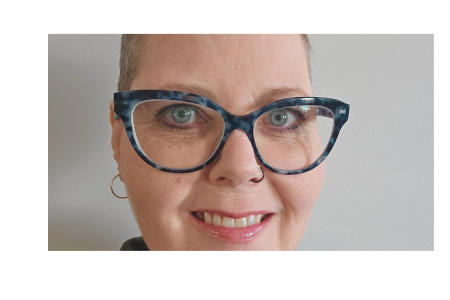
This is about:

TESTIMONIALS

“Today’s experience was really helpful. I feel more confident about supporting students, especially when they show stress responses.”

-Teacher, Elementary Setting

“For the first time, professional development felt human. I left with language I could actually use—and permission to slow down.”

– School Leader

“North of Becoming helped me repair relationships I thought were already broken.”

– School Leader

FAQs

Is this ABA or behavior therapy?

No.
North of Becoming is intentionally non-behaviorist. This work does not focus on compliance, behavior modification, or external rewards and consequences.

Instead, it centers nervous system regulation, relationship, repair, and adult responsibility. Behavior is understood as communication—not something to extinguish or control.

Will this work still hold students accountable?

Yes—and it does so without shame or fear.

Accountability in this work means helping people understand impact, repair harm, and build skills—not punishing dysregulation. Boundaries still exist. Expectations still matter. They are simply grounded in safety and relationship rather than control.

Is this approach realistic in real schools with real constraints?

That’s exactly where this work lives.

North of Becoming does not assume unlimited staff, space, or resources. Consulting and coaching acknowledge real-world constraints—limited time, staffing shortages, cultural considerations, and system pressure—while still helping schools move toward more sustainable, regulation-first practices.

This is not idealism. It’s grounded change.

Is this only for special education?

No.
While much of this work grew from special education spaces, the frameworks apply across general education, leadership, and family systems.

Any environment where people are dysregulated, overwhelmed, or disconnected can benefit from this lens.

What if our staff isn’t trained in trauma-informed practices yet?

That’s okay.
This work does not assume prior training or shared language.

Professional development and consultation meet people where they are, using accessible language and practical examples. The goal is not perfection or immediate buy-in—it’s curiosity, reflection, and forward movement.

Do you offer one-time trainings or ongoing support?

Both.

North of Becoming offers:

  • One-time workshops and trainings
  • Short-term consultation
  • Ongoing coaching and partnership

Support is tailored to the needs, capacity, and readiness of the individuals or systems involved.

How do I know if this work is the right fit?

If you’re feeling:

  • uneasy with compliance-based approaches
  • exhausted by constant behavior management
  • curious about regulation, repair, and relational leadership
  • ready to look at adult systems—not just child behavior

You’re likely in the right place.

If you’re looking for quick fixes, scripts, or behavior control strategies, this may not be the right fit—and that’s okay.

Still have questions?

You don’t need to have clarity before reaching out.

If you’re unsure what kind of support you need—or whether North of Becoming is a fit—we can start with a conversation.

Consultation

Curious about what support might look like?

We don’t start with solutions.
We start with understanding.

If this way of seeing resonates, let’s begin with a conversation.